
Cork vs. Rubber vs. Foam: Which Material Is Right for Your Application?
When choosing a material for your product or project, performance matters just as much as sustainability and cost. Cork, rubber, and foam are often compared—but each serves a very different purpose.
Here’s a clear breakdown to help you choose the right material for your needs.
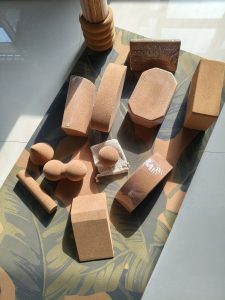
1. Cork: Natural Performance with Sustainability
Cork is a natural material harvested from the bark of cork oak trees without cutting them down. Its internal honeycomb structure gives it unique properties:
-
Lightweight yet resilient
-
Excellent shock absorption
-
Natural thermal and acoustic insulation
-
Moisture-resistant and anti-mold
-
Renewable and biodegradable
Best for:
Packaging inserts, gaskets, insulation, home goods, eco-friendly products, vibration damping.
Cork is especially suitable for brands that value eco-conscious design and long-term durability.
2. Rubber: High Elasticity and Sealing Performance
Rubber—especially synthetic rubber—offers strong elasticity and sealing ability. It performs well under pressure and repeated compression.
-
High tensile strength
-
Excellent sealing and waterproof performance
-
Resistant to oils and chemicals (depending on type)
-
Longer lifespan in demanding industrial environments
Best for:
Industrial gaskets, seals, anti-slip mats, vibration isolators.
Rubber is ideal when mechanical performance is the top priority, though it is generally less eco-friendly than cork.
3. Foam: Lightweight and Cost-Effective
Foam materials (such as EVA, PU, or PE foam) are widely used due to their low cost and flexibility.
-
Very lightweight
-
Easy to cut and shape
-
Good short-term cushioning
-
Affordable for large-volume use
Best for:
Protective packaging, disposable inserts, lightweight cushioning.
However, foam typically has lower durability and limited environmental benefits compared to cork.

4. Can Cork Replace Rubber or Foam?
In many applications, yes.
Cork—or rubberized cork composites—can combine the flexibility of rubber with the sustainability of cork, making it an excellent alternative for:
-
Anti-vibration pads
-
Sealing components
-
Shock-absorbing layers
Choosing the right density and composition is key, which is why material consultation matters.
5. Choosing the Right Material Starts with the Right Supplier
Every application is different. Load requirements, environment, lifespan, and sustainability goals all play a role.
A professional cork supplier doesn’t just sell material—they help you choose the right solution.
If you’re unsure whether cork, rubber, or foam is best for your project, we’re happy to help you evaluate and test options before production.