Cork Fabric: Where Sustainability Meets Modern Design
Cork fabric is rapidly becoming one of the most innovative materials in the sustainable products industry. From fashion accessories and furniture to packaging and interior decoration, this natural material is attracting designers, brands, and environmentally conscious consumers around the world.
Unlike traditional leather or synthetic fabrics, cork fabric offers a unique combination of natural texture, lightweight performance, and environmental responsibility.
What Makes Cork Fabric Unique?
Cork fabric is produced from the bark of the cork oak tree, mainly grown in Mediterranean regions such as Portugal and Spain. One of the most remarkable features of cork is that the tree is not cut down during harvesting. The bark naturally regenerates and can be harvested repeatedly over many decades.
After harvesting, the cork is processed into thin sheets and bonded to a textile backing such as cotton or polyester, creating a flexible material with a leather-like appearance and soft touch.
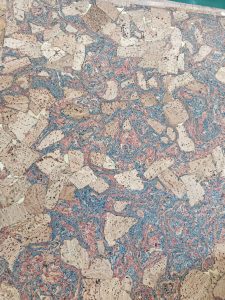
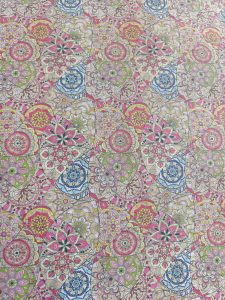
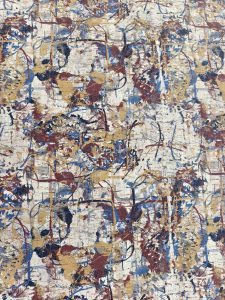
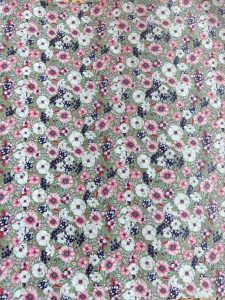
White Ink Hot Stamping
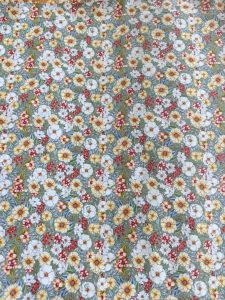
TC Fabric Dyeing +
White Ink Hot Stamping
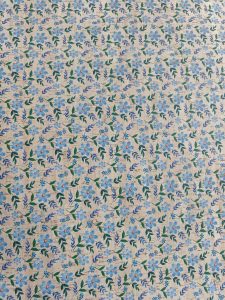
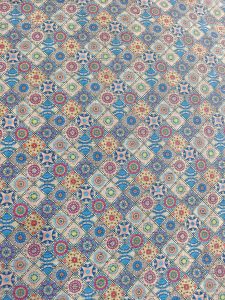
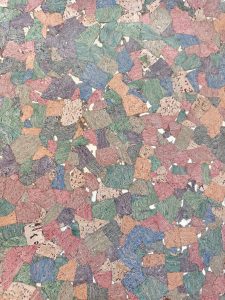
A Material Designed by Nature
Cork has a naturally cellular structure filled with tiny air pockets, which gives the material several outstanding properties.
-225x300.jpg)
-225x300.jpg)
Lightweight Yet Durable
Cork fabric is significantly lighter than traditional leather while maintaining good strength and flexibility.
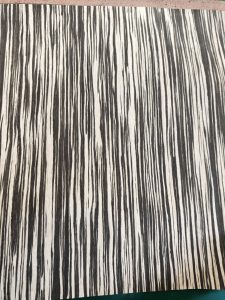
60*120cm/pc
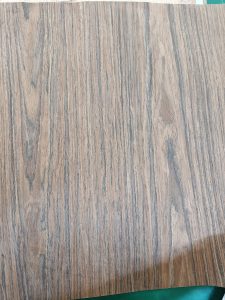
Water-Resistant Surface
The natural waxy substance called suberin helps cork resist moisture and stains, making it practical for daily use.
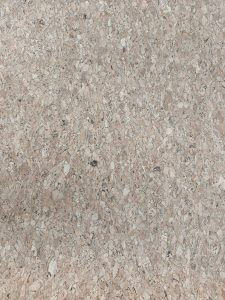
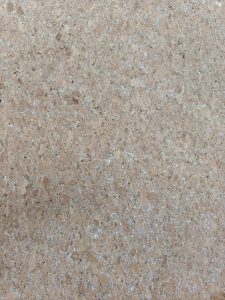
Soft and Comfortable Touch
Cork fabric has a warm, smooth texture that feels natural and comfortable in both fashion and home applications.
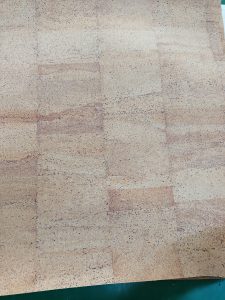
bread-texture print
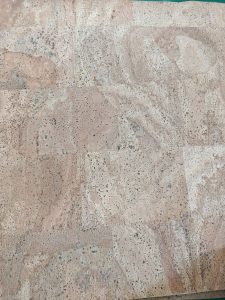
C bread-texture
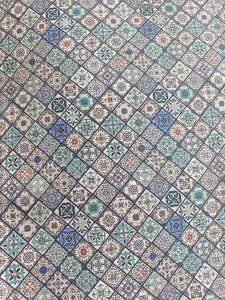
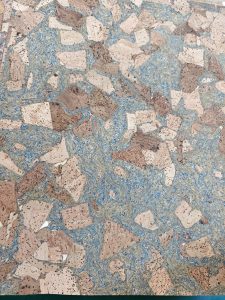
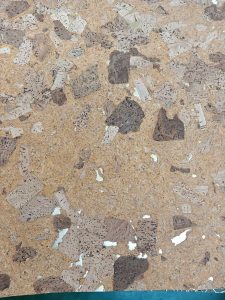
Unique Natural Patterns
Every sheet of cork fabric has its own organic grain and texture, giving each product an individual appearance.
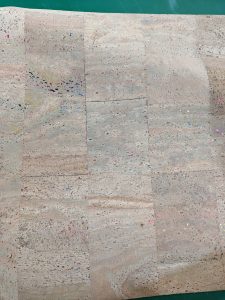
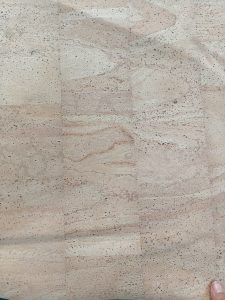
Bread Pattern
Why Brands Are Turning to Cork Fabric
As sustainability becomes an important part of product development, many brands are searching for materials that combine environmental benefits with modern aesthetics.
Cork fabric has become popular because it offers:
- A renewable and natural raw material
- A vegan alternative to animal leather
- Low environmental impact
- Long product lifespan
- Modern and premium visual appeal
Many designers also appreciate cork fabric because it works well with minimalist, eco-friendly, and contemporary product styles.
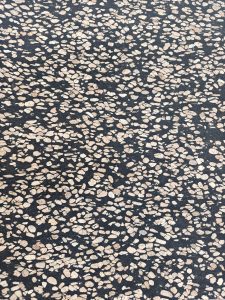
-225x300.jpg)
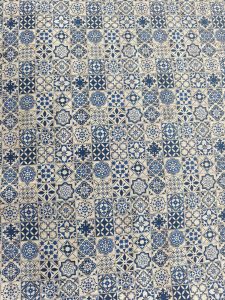
PU Large-Piece Dark Blue Dye +Hot Stamping
Common Applications of Cork Fabric
Today, cork fabric is widely used across different industries.
Fashion and Accessories
- Wallets
- Handbags
- Backpacks
- Jewelry storage
- Watch straps
Home and Interior Design
- Wall coverings
- Table mats
- Decorative panels
- Furniture surfaces
- Desk accessories
Commercial and Packaging Use
- Gift packaging
- Notebook covers
- Promotional products
- Retail display materials
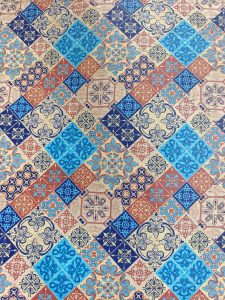
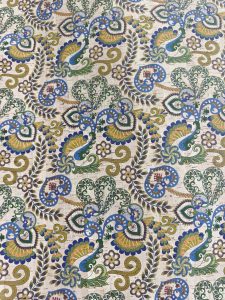
Its versatility allows manufacturers to create products that are both functional and visually distinctive.
The Growing Future of Cork Fabric
The global market for sustainable materials continues to expand as consumers pay more attention to environmental impact and product quality. Cork fabric represents a new generation of materials that balance performance, aesthetics, and sustainability.
Online discussions and industry trends also show growing interest in cork-based products, especially in eco-friendly construction, furniture, and lifestyle applications.
As more companies invest in sustainable innovation, cork fabric is expected to play an increasingly important role in fashion, interiors, packaging, and industrial design.
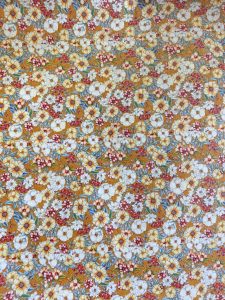
White Ink Hot Stamping
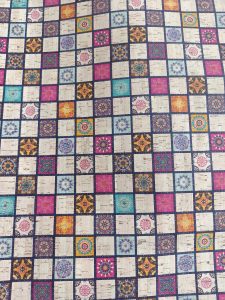
Conclusion
Cork fabric is more than just an eco-friendly material — it is a modern solution for brands and consumers seeking natural beauty, functionality, and sustainability in one product.
With its renewable origin, lightweight structure, water resistance, and elegant texture, cork fabric continues to open new possibilities for creative design and responsible manufacturing.