Cork Fabric vs Leather: Which Material Is Better?
When choosing materials for handbags, wallets, footwear, upholstery, and fashion accessories, cork fabric and leather are two popular options. Both offer durability, style, and versatility, but they differ significantly in terms of sustainability, maintenance, cost, and environmental impact.
In this article, we’ll compare cork fabric and leather to help manufacturers, designers, brands, and consumers determine which material best suits their needs.
What Is Cork Fabric?
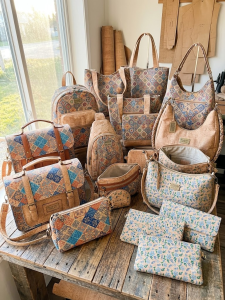
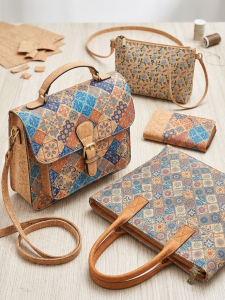
Cork fabric, sometimes called cork leather or cork textile, is made from the bark of cork oak trees. The bark is carefully harvested without cutting down the tree, making cork one of the most sustainable natural materials available. Thin layers of natural cork are bonded to a textile backing, creating a flexible and durable material suitable for various applications.
Common uses include:
- Handbags and wallets
- Footwear
- Jewelry
- Furniture upholstery
- Home décor products
- Packaging and promotional items
What Is Leather?
Leather is traditionally made from animal hides, most commonly cattle. Through a tanning process, the hides are transformed into a durable material used in fashion, furniture, automotive interiors, and accessories.
Leather is known for its strength, luxurious appearance, and long history of use across numerous industries.
Cork Fabric vs Leather: Key Comparison
1. Sustainability
Cork Fabric
- Harvested without harming the tree
- Renewable resource
- Trees continue absorbing CO₂ after harvesting
- Biodegradable and environmentally friendly
- Suitable for vegan and eco-conscious brands
Leather
- Derived from animal hides
- Requires significant water and energy during production
- Traditional tanning may involve chemicals that impact the environment
- Not suitable for vegan products
Winner: Cork Fabric
For companies focused on sustainability and environmental responsibility, cork fabric offers a clear advantage.
2. Appearance
Cork Fabric
- Unique natural grain patterns
- Modern and distinctive aesthetic
- Available in natural, dyed, printed, and embossed finishes
- No two pieces are exactly alike
Leather
- Classic luxury appearance
- Develops a patina over time
- Available in various textures and finishes
Winner: Tie
The choice depends on design preferences. Leather offers a traditional luxury look, while cork fabric provides a modern and eco-friendly appearance.
3. Weight
Cork Fabric
- Extremely lightweight
- Comfortable for handbags, backpacks, and accessories
- Reduces shipping costs for manufacturers
Leather
- Generally heavier
- May add weight to finished products
Winner: Cork Fabric
Lightweight products are increasingly preferred by consumers and brands alike.
4. Water Resistance
Cork Fabric
- Naturally water-resistant
- Resistant to moisture absorption
- Easy to clean with a damp cloth
Leather
- Can absorb water if not treated
- May stain or crack when exposed to excessive moisture
- Requires conditioning and maintenance
Winner: Cork Fabric
Cork performs exceptionally well in humid environments and everyday use.
5. Durability
Cork Fabric
- Flexible and resistant to cracking
- Suitable for daily-use products
- Maintains appearance over time
Leather
- Highly durable when properly maintained
- Can last for decades
- May develop scratches and wear marks
Winner: Leather
High-quality leather remains one of the most durable materials available, particularly for premium products.
6. Maintenance
Cork Fabric
- Easy to clean
- Requires minimal maintenance
- No special treatments needed
Leather
- Requires regular conditioning
- Sensitive to moisture and sunlight
- Needs periodic care to maintain appearance
Winner: Cork Fabric
For users seeking convenience and low maintenance, cork fabric is the better choice.
7. Cost
The cost of both materials varies depending on quality, thickness, finish, and manufacturing process.
In many applications, cork fabric can provide an attractive and sustainable alternative at a competitive cost, especially for brands targeting eco-conscious markets.
Winner: Depends on the product and quality requirements.
Comparison Table
Feature Cork Fabric Leather Sustainability Excellent Moderate Vegan Friendly Yes No Weight Lightweight Heavier Water Resistance Excellent Moderate Maintenance Low High Durability Good Excellent Appearance Modern & Natural Classic & Luxury Environmental Impact Low Higher Why More Brands Are Choosing Cork Fabric
Consumer demand for sustainable and cruelty-free products continues to grow worldwide. Many brands are now seeking materials that combine aesthetics, performance, and environmental responsibility.
Cork fabric offers several advantages:
- Renewable and sustainable source
- Vegan alternative to leather
- Lightweight and comfortable
- Water-resistant and easy to maintain
- Unique natural appearance
- Suitable for fashion, home décor, and promotional products
These benefits make cork fabric increasingly popular among designers, manufacturers, and retailers looking to differentiate their products in a competitive market.
Final Verdict
So, which material is better: cork fabric or leather?
The answer depends on your priorities.
If you value traditional luxury, exceptional durability, and a classic appearance, leather remains a strong choice.
However, if sustainability, lightweight performance, water resistance, low maintenance, and vegan-friendly sourcing are important, cork fabric is often the better option.
As environmental awareness continues to shape consumer purchasing decisions, cork fabric is becoming one of the fastest-growing alternatives to traditional leather in the global market.
For brands seeking innovative and sustainable materials, cork fabric represents the future of eco-friendly product design.
- Best Cork Products China Manufacturer & Supplier
- Email:info@chinacorkart.com
- Email:jaelyn.liu@chinacorkart.com